The Basic Principles Of Nutrition 101: Feeding Your Pet For Optimal Health
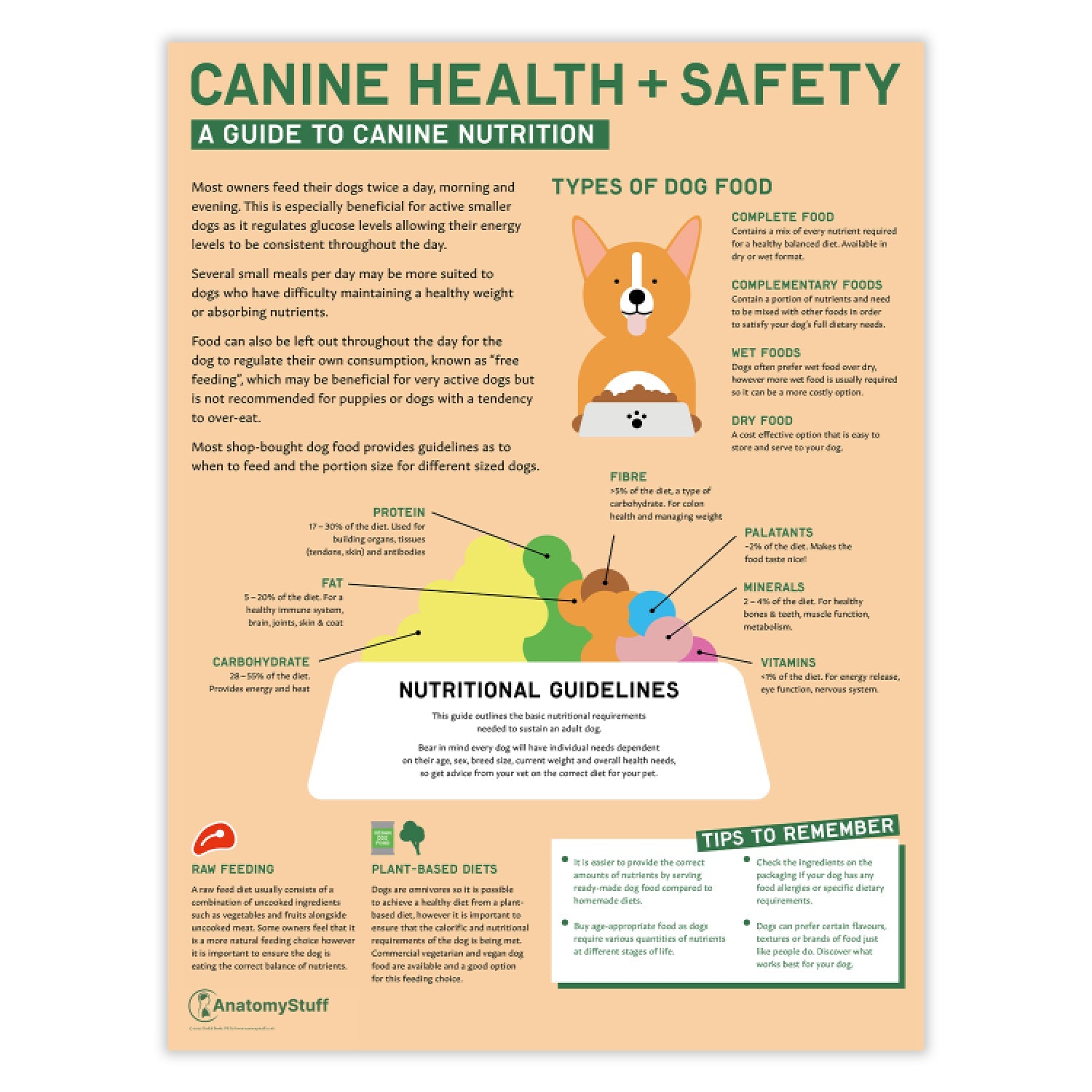
Fats are the most concentrated type of food power, supplying your family pet with greater than two times the power of proteins or carbs. Fats are crucial in the structure of cells, required for the production of some hormonal agents, and are needed for absorption and use of particular vitamins. Fats also give insulation and security for inner organs.
Carbohydrates offer power, play a crucial function in the health and wellness of the intestine, and are very important for recreation. While there is no minimum carbohydrate demand, there is a minimum glucose demand needed to provide power to important organs such as the mind. Fibers are kinds of carbohydrates that change the bacterial population in the tiny intestinal tract, which can assist handle chronic diarrhea in pet dogs.
Heart Disease - Nutrition - Cummings School Of Veterinary Medicine Things To Know Before You Buy
Many vitamins can not be manufactured in the body, and as a result are vital to acquire in the diet. Please note that when feeding your dog a complete and balanced diet regimen, it is unneeded to offer a vitamin supplement unless a specific vitamin deficiency is detected by a veterinarian. Due to over supplementation, poisoning due to excess vitamins (hypervitaminosis) is much more typical nowadays than vitamin deficiency (hypovitaminosis).
Excess vitamin D might result in really thick bones, soft cells calcification and kidney failure. Minerals are nutrients that can not be synthesized by pets and need to be supplied in the diet. As a whole, minerals are most essential as structural components of bones and teeth, for preserving liquid balance and for their participation in many metabolic responses.
Examine This Report about Planning Your Pet's Diet - Spca Of Northern Nevada
This process of progressively lowering a pup's dependence on his mommy's milk, referred to as weaning, ought to generally start between 3 and 4 weeks of age and is preferably completely by the time the puppy is seven to eight weeks. Young puppies obtain full nutrition from their mother's milk for the first 4 weeks of life, so there is no requirement to feed them anything throughout that time.
If you discover yourself in this situation, contact your vet for product and feeding suggestions. Afterwards time, it's ideal to allow discouraging be a steady procedure that takes place over numerous weeks. This enables the mommy pet dog to gradually run out her milk supply and puppies need time to learn crucial behaviors from their mommy and littermates, including how to analyze indicators of prominence, prevent their very own attacking habits and send to even more leading pets.
Beginning by separating the mommy from her clutter for a few hours each time. This moment apart will lower the puppies' dependency on their mommy's milk and total existence. While separated, present the pups to eating from a pan. The amount of food, the frequency and length of separation can slowly be boosted.
A pampered lap canine may require just 10% of that, while an energetic pet dog who works out frequently outdoors may call for upkeep plus 20 to 40%. You may need to change sections as you learn your pet dog's perfect "upkeep" amount. Animal owners must constantly consult with their pet's vet to establish the most effective feeding routine and kinds of foods for their pet dogs.
Unknown Facts About Nutrition - Cummings School Of Veterinary Medicine - Tufts University
Be certain to examine with your vet on your animal's post-opt dietary needs. Treats need to be provided in moderation and stand for 5 percent or much less of the pet's day-to-day food consumption.
Need Professional Tree Surgery Services?
Our certified arborists are ready to help with all your tree care needs. Get expert advice and a free consultation today.
Request Free Quote